Recommended Reading

These are the books that have shaped my thinking and my practice. Some changed how I understand trauma. Some changed how I understand myself. All of them are books I return to and recommend.
-
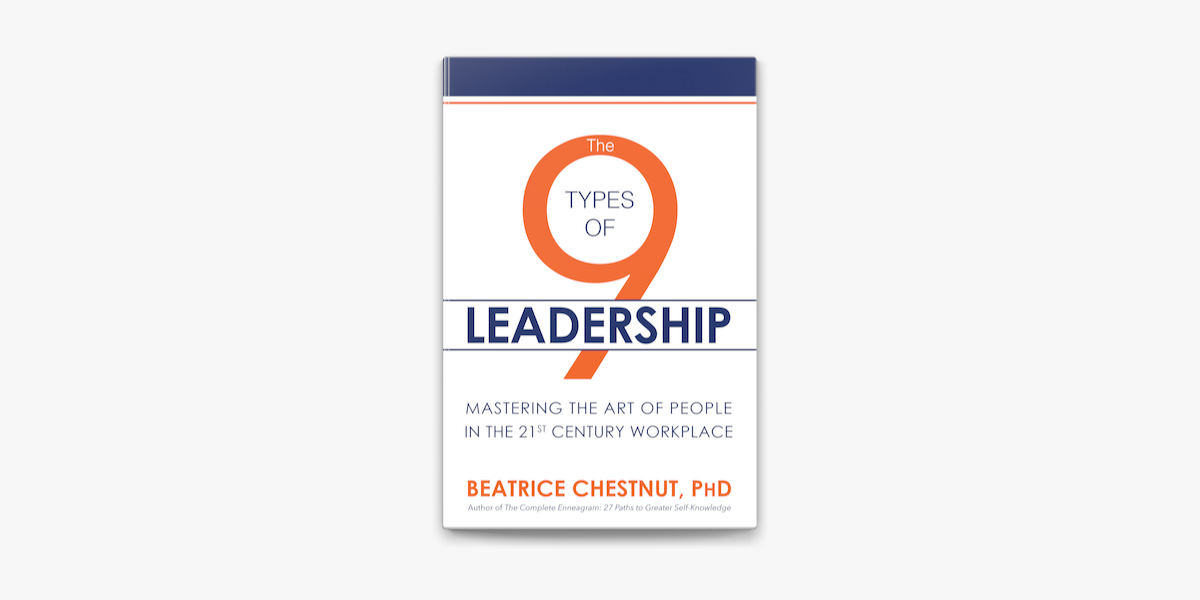
The Enneagram is one of the most powerful tools I know for understanding the patterns we developed early in life and carry into leadership. Beatrice Chestnut is masterful with this system. In this book she outlines the strengths, challenges, and blind spots for each of the nine types of leader. If you want to understand why you lead the way you do, not just how, start here.
-
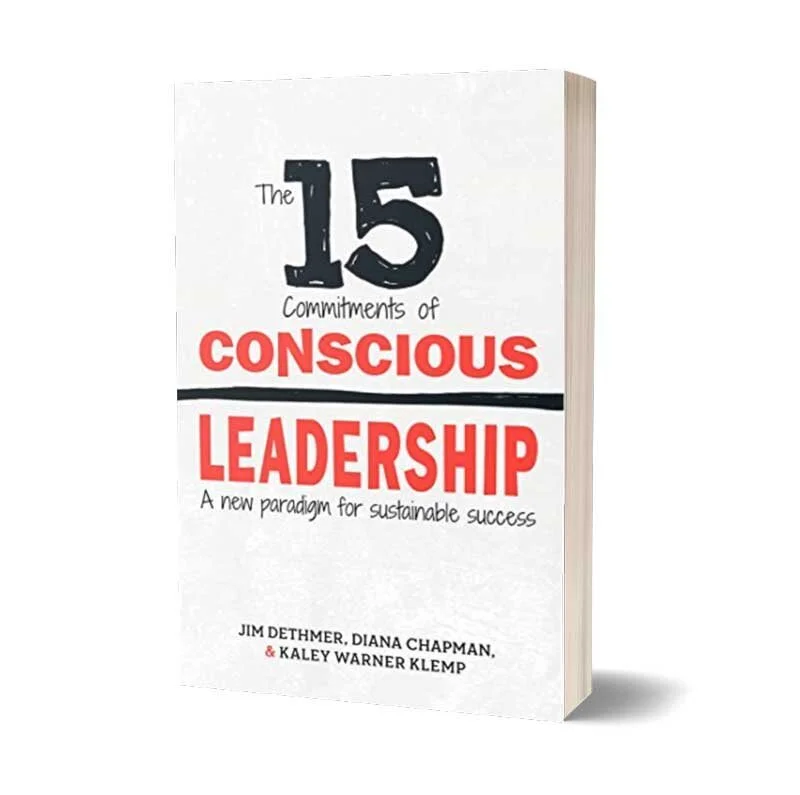
This book reframed leadership for me. The core question it asks is simple: are you leading from above the line (open, curious, committed to learning) or below the line (reactive, defensive, committed to being right)? Most of us spend more time below the line than we realize, and the patterns that keep us there are often rooted in something much older than the current situation. These 15 commitments are a practical guide to leading from a more conscious, less reactive place.
-
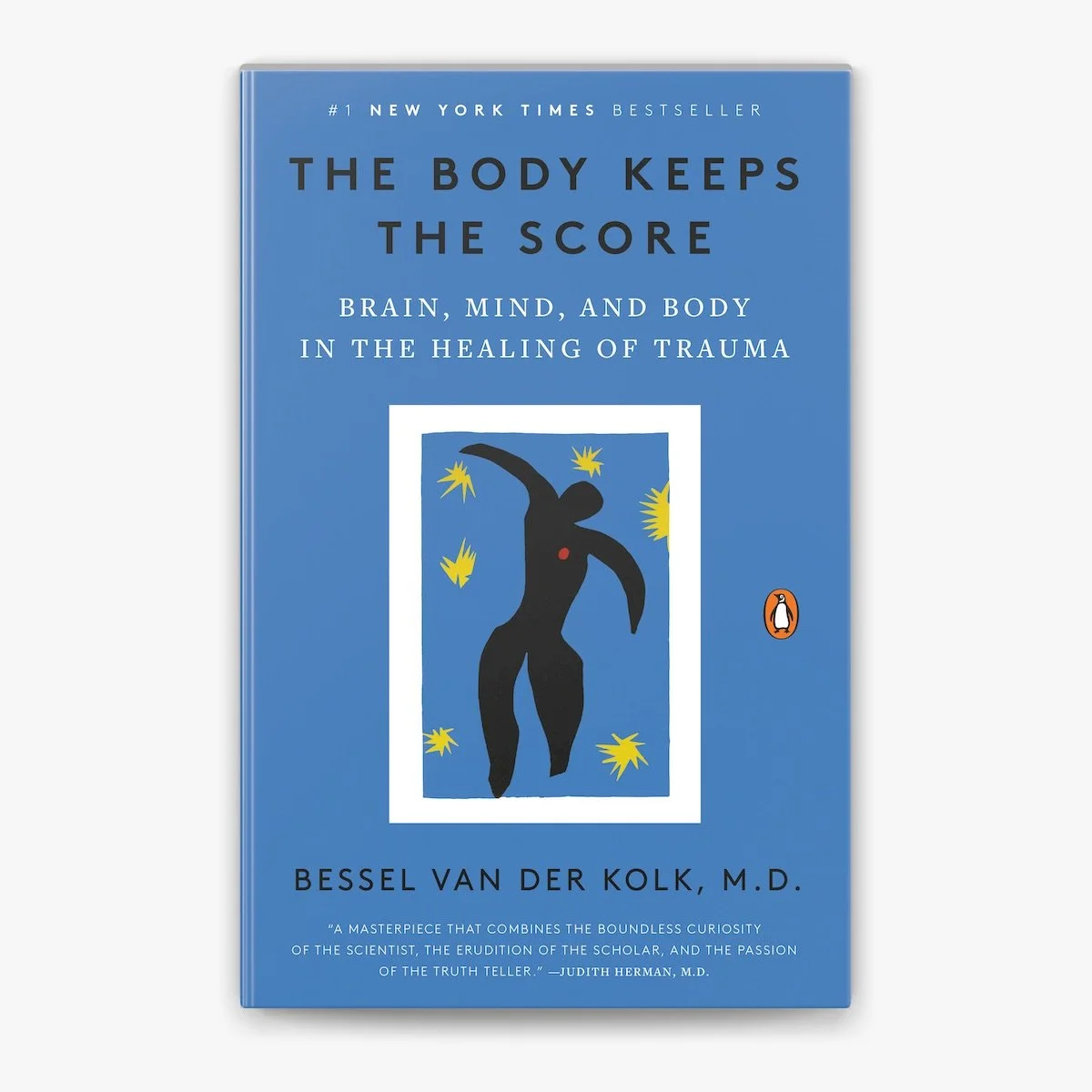
Traumatic experiences leave a profound imprint on our minds, emotions, and bodies. In The Body Keeps the Score, Bessel van der Kolk masterfully explains how trauma not only alters the brain but also disrupts the body’s immune and nervous systems. Drawing on extensive research and decades of clinical experience, he explores effective healing modalities such as EMDR, yoga, and somatic therapies, offering hope and pathways for recovery.
-

Be impeccable with your word, don’t take anything personally, don’t make assumptions, and always do your best. When we’re living in alignment with these four agreements we tend to experience greater peace, joy and freedom. This is a short and easy read.
-
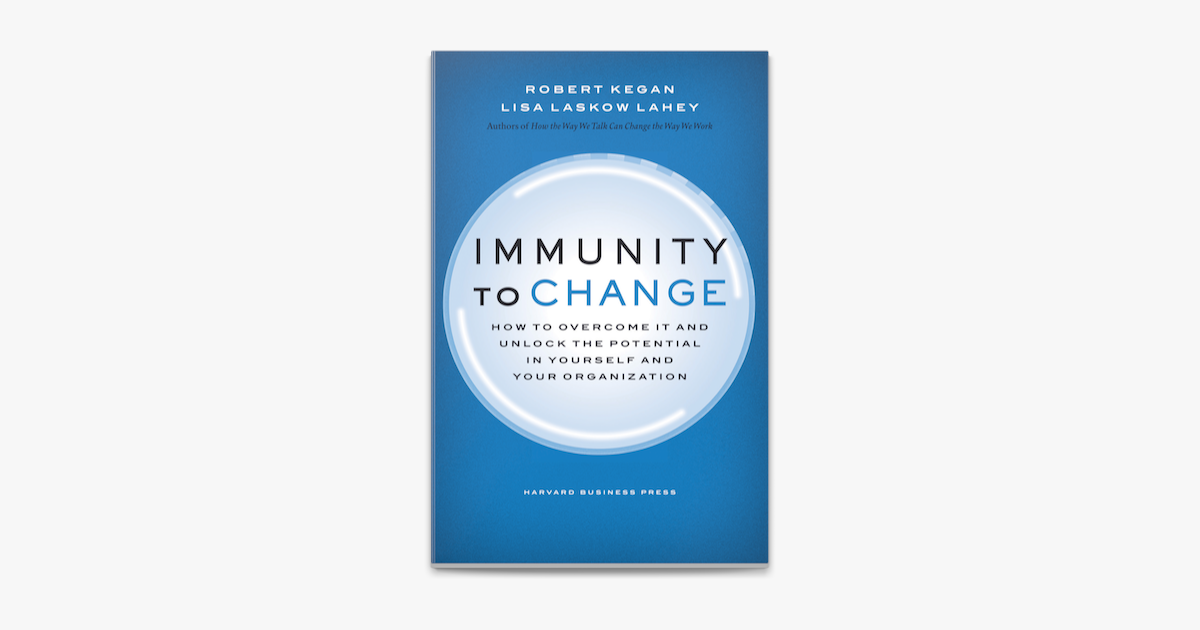
Despite our best efforts and intentions, most change efforts fail. Kegan and Lahey show how our individual beliefs, and the collective mindsets in our organizations, combine to create a natural but powerful immunity to change. They offer a practical methodology to help readers overcome inertia and resistance to change.
-
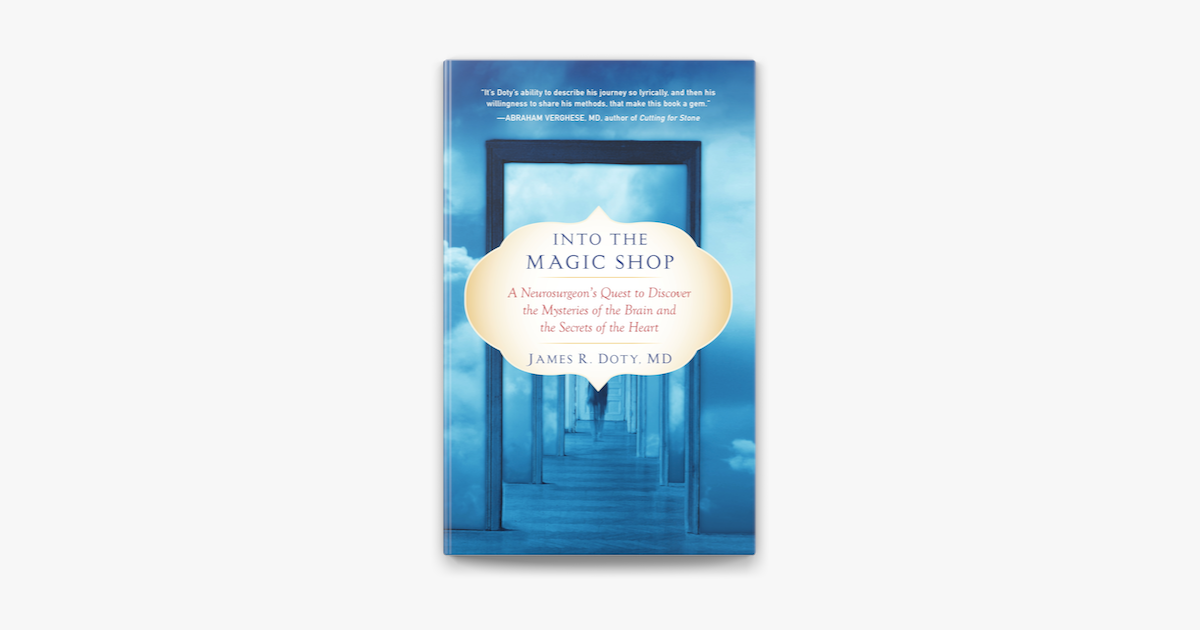
Jim Doty was a Stanford neurosurgeon, neuroscientist, compassion researcher, inventor, entrepreneur, NY Times bestselling author and philanthropist. Part memoir, blended with science and practical application, Into the Magic Shop shows us how we can change our lives by changing our brains and our hearts. I love this book.
-
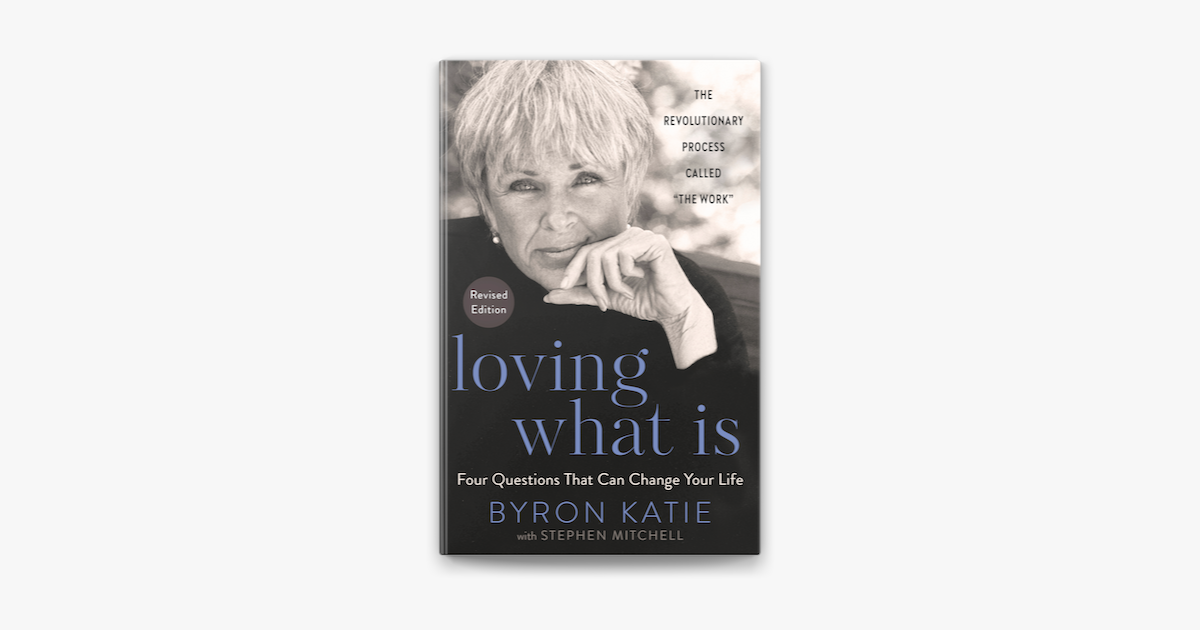
Byron Katie believes that suffering is optional. Her four questions, when applied to a specific problem, can help you see what is troubling you in a new light. These four simple questions have the power to shift your thinking and quieten your inner critic.
-
Nonviolent Communication is a transformative guide to fostering empathy, understanding, and connection in all areas of life. Rosenberg introduces a simple yet profound framework for expressing needs and feelings without blame or judgment, enabling compassionate and constructive dialogue. Whether in personal relationships, professional settings, or conflict resolution, this book offers practical tools to break down barriers and deepen trust.
-
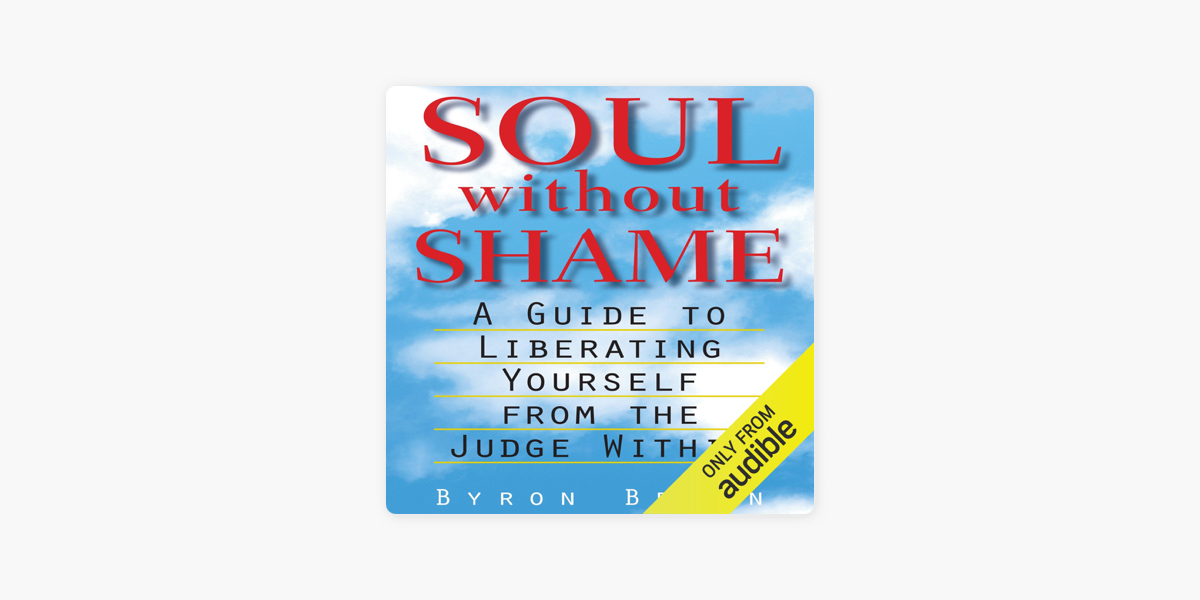
Byron Brown's book is about how to liberate yourself from your harshest inner critic. Brown argues that the inner critic is a voice inside of us that tells us we are not good enough, smart enough, or worthy of love. It is a voice that can be very damaging and can hold us back from living our fullest lives. Brown provides a number of examples, exercises and tools to help people identify and challenge their inner critics. This is one of the best books I have come across focused on the inner critic.
-

A wonderful book that shows how we can strengthen our ability for compassion and connection in today’s polarized world. I read this, then immediately read it again.
-
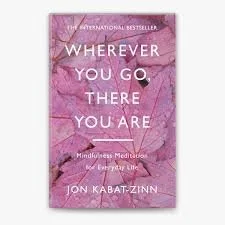
I found this gem in a local neighborhood library while walking my dog. The book offers a foundational guide to mindfulness and meditation, helping readers cultivate peace, compassion, and create positive change in their lives.